
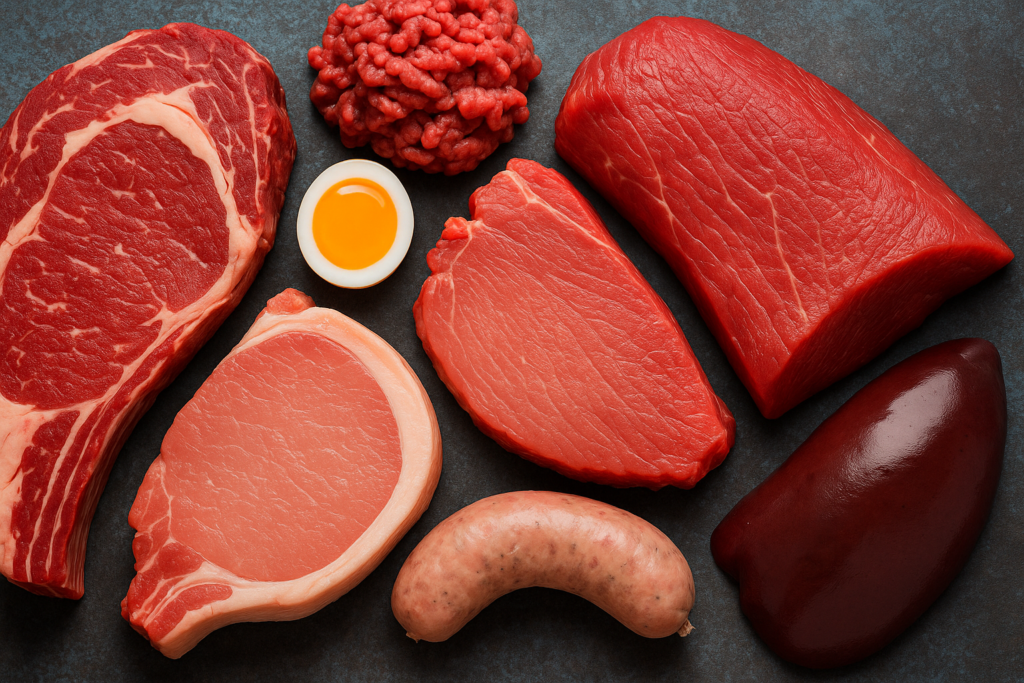
Hey friend! So, you’ve probably heard about the carnivore diet that’s been popping up everywhere, right? It’s pretty much the ultimate “meat-only” eating plan. While some folks swear by its benefits, others raise eyebrows at the potential risks. So, let’s chat about the pros and cons of this diet and whether it could be a fit for you!
What Is the Carnivore Diet?
Before we dive in, let’s get on the same page about what the carnivore diet actually is. In a nutshell, it’s a dietary plan that advocates for consuming only animal products—think meat, fish, eggs, and, sometimes, dairy. No plant-based foods like fruits, vegetables, or grains are allowed. The idea is that this way of eating can improve health, boost energy levels, and even help with mental clarity.
Pros of the Carnivore Diet
- Simplicity: One of the biggest advantages? The simplicity! You don’t have to count carbs or calories. Just eat meat!
- Weight Loss: Many people report weight loss on the carnivore diet. With fewer food choices, it’s often easier to create a calorie deficit.
- Improved Satiety: A diet high in protein and fats can keep you feeling fuller for longer, reducing the desire to snack between meals.
- Potential Health Benefits: Some followers claim improvements in various health markers, including inflammation, gut health, and even mental health. Some studies suggest that a low-carb, high-protein diet can lead to better health outcomes for certain individuals.
- Elimination of Processed Foods: By sticking to meat and animal products, you automatically cut out processed foods, sugars, and other nasties.
Cons of the Carnivore Diet
- Nutritional Deficiencies: Cutting out all plant-based foods means you miss out on vital nutrients, vitamins, and fiber that are essential for your health.
- Social Challenges: Going to a restaurant or attending social gatherings can be tricky when your food options are so limited.
- Potential Health Risks: Some research suggests that a diet very high in red or processed meats might increase the risk of certain diseases. You should definitely consider this before committing long-term.
- Digestive Issues: Transitioning to a meat-only diet can lead to digestive problems for some people due to the lack of fiber.
- Increased Cholesterol: While some folks see improvements in markers of health, others may experience increased cholesterol levels. It varies from person to person.
Who Should Consider the Carnivore Diet?
If you’re curious about trying the carnivore diet, it might be suited for you if:
- You’re going through significant diets and often feel bloated, irritated, or fatigued from various foods.
- You’ve tried several other diets without success and are seeking a change.
- You’re willing to experiment, but you also pay attention to how your body responds.
Tips for Trying the Carnivore Diet
If you decide to give this diet a go, here are some practical tips:
- Start Slowly: If you usually eat a wide variety of foods, consider transitioning to the diet gradually. It can help your body adjust.
- Listen to Your Body: Be sure to pay attention to how you feel as you transition. If something doesn’t feel right, it’s important to listen.
- Consult a Professional: Before making any big changes to your diet, it’s wise to talk to a healthcare professional or nutritionist.
- Be Mindful of Nutrients: Consider supplementing with vitamins and minerals that you may miss out on, like vitamin C or fiber.
Conclusion
So, there you have it—the ups and downs of the carnivore diet. It’s undeniably intriguing, but like any diet, it comes with its upsides and downsides. If you’re thinking about diving in, make sure to do your homework and listen to your body. You got this!
Sources & References
- Carnivore Diet: An Overview
- Meat, Inflammation, and Chronic Diseases
- What is a Carnivore Diet?
- Carnivore Diet: Pros and Cons